What Is a Meridian in Traditional Chinese Medicine (TCM) and How Does It Work in the Human Body?
In Traditional Chinese Medicine (TCM), a meridian is an invisible energy pathway that carries Qi (vital life force) throughout the human body. Meridians form a complex, intelligent network that connects the internal organs, muscles, bones, emotions, and consciousness into one unified system.
Rather than focusing on isolated symptoms, TCM views health as the smooth and balanced flow of Qi through these meridian channels.

Understanding Qi: The Energy of Life
Qi is the fundamental energy that animates all living beings. In the human body, Qi:
- Nourishes organs and tissues
- Supports immunity and vitality
- Regulates emotions and mental clarity
- Maintains balance between Yin and Yang
When Qi flows freely through the meridians, the body feels healthy, calm, and energized.
When Qi becomes blocked, deficient, or excessive, discomfort, emotional imbalance, or illness may arise.
What Are Meridians?
Meridians are not physical structures like nerves or blood vessels, yet they function as energetic communication highways. They allow Qi and Blood to circulate, ensuring that every part of the body receives nourishment and information.
There are 12 primary meridians, each associated with a specific organ system, as well as additional extraordinary meridians that provide deeper regulation.
Each meridian:
- Has a defined pathway on the body
- Connects internal organs to external limbs
- Influences physical, emotional, and energetic health
How Meridians Work in the Human Body
Meridians work continuously, much like rivers flowing through a landscape.
1. Energy Circulation
Qi flows through the meridians in a precise order, forming a complete circuit throughout the body. This circulation supports digestion, breathing, circulation, hormonal balance, and nervous system regulation.
2. Organ Communication
Each organ system communicates through its meridian. For example:
- The Liver meridian governs the smooth flow of emotions and detoxification
- The Lung meridian regulates breathing, immunity, and grief
- The Kidney meridian stores life essence and governs fear and vitality
3. Emotional Balance
In TCM, emotions are deeply connected to organs and meridians. Emotional stress can disrupt Qi flow, while balanced meridians promote emotional resilience and clarity.
4. Body Clock Rhythm
Meridians follow a 24-hour biological clock, with each meridian becoming most active during a specific two-hour window. This explains why certain symptoms appear or worsen at particular times of day.
What Happens When Meridians Are Blocked?
When Qi cannot flow smoothly, the body sends signals such as:
- Pain or tension
- Fatigue or low immunity
- Digestive issues
- Emotional heaviness, anxiety, or irritability
TCM therapies aim to restore movement and harmony, not simply suppress symptoms.
How Meridians Are Balanced
Traditional and modern healing methods can support meridian flow, including:
- Acupuncture and acupressure
- Herbal medicine
- Qigong and Tai Chi
- Breathwork and meditation
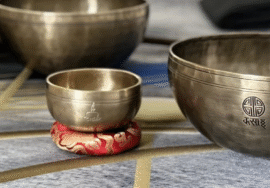
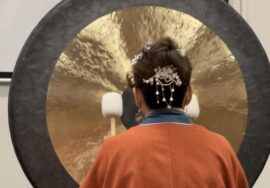
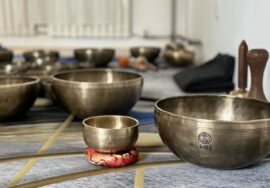
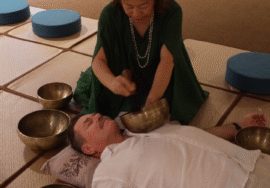
- Sound healing and vibrational therapy
Sound works especially well with meridians because vibration travels through water, fascia, and energy fields, gently encouraging Qi to return to its natural rhythm.
Meridians as a Bridge Between Body, Mind, and Spirit
Meridians remind us that the human body is not just mechanical—it is vibrational, intelligent, and interconnected. When meridian energy is balanced, the body naturally moves toward healing, clarity, and inner harmony.
At Meta Ye Sound Wellness Center, meridian wisdom is combined with sound, frequency, and ancient traditions to support deep, lasting balance from the inside out.