The 12 Main Meridians and Their Emotional Meanings
In Traditional Chinese Medicine (TCM), health is not viewed as purely physical. Every organ system is deeply connected to emotions, mental states, and life experiences. The pathways that link these dimensions are known as meridians—energetic channels through which Qi (vital life force) flows.
The 12 main meridians form the core energy network of the body. Each meridian is associated not only with a physical organ, but also with specific emotional patterns, strengths, and challenges. When Qi flows smoothly, emotions feel balanced and organs function optimally. When Qi is blocked or deficient, emotional and physical symptoms may arise together.


Understanding the emotional meaning of each meridian offers profound insight into how the body communicates inner imbalance—and how healing can occur on multiple levels at once.
Yin Meridians (Internal, Nourishing, Emotional Depth)
1. Lung Meridian — Grief & Letting Go
- Element: Metal
- Emotion: Grief, sadness
- Positive Expression: Inspiration, clarity, reverence for life
The Lung meridian governs breathing and immunity. Emotionally, it relates to our ability to process loss and let go. When balanced, we feel inspired and present. When imbalanced, unresolved grief, melancholy, or difficulty releasing the past may appear.
2. Heart Meridian — Joy & Emotional Connection
- Element: Fire
- Emotion: Joy (or lack of joy)
- Positive Expression: Love, warmth, emotional stability
The Heart is considered the emperor of all organs in TCM. It governs emotional connection, consciousness, and spirit (Shen). Imbalance may show up as anxiety, restlessness, or emotional overwhelm, while balance brings joy and inner peace.
3. Pericardium Meridian — Emotional Protection & Boundaries
- Element: Fire
- Emotion: Emotional vulnerability
- Positive Expression: Healthy intimacy, emotional safety
The Pericardium acts as the protector of the Heart, emotionally and energetically. It relates to boundaries and trust. Imbalances can lead to emotional numbness or fear of intimacy, while balance allows openness without overwhelm.
4. Spleen Meridian — Worry & Overthinking
- Element: Earth
- Emotion: Worry, rumination
- Positive Expression: Groundedness, empathy, nourishment
The Spleen governs digestion—both of food and thoughts. Emotionally, it is affected by excessive worrying or mental looping. When balanced, it supports stability, compassion, and feeling supported.
5. Kidney Meridian — Fear & Vitality
- Element: Water
- Emotion: Fear, insecurity
- Positive Expression: Courage, wisdom, resilience
The Kidneys store Jing (life essence) and govern long-term vitality. Emotionally, fear and chronic stress weaken Kidney energy. Balance restores confidence, calmness, and a deep sense of inner strength.
6. Liver Meridian — Anger & Emotional Flow
- Element: Wood
- Emotion: Anger, frustration
- Positive Expression: Creativity, flexibility, vision
The Liver ensures the smooth flow of Qi and emotions. When energy is stagnant, anger, irritability, or resentment may arise. When balanced, emotions move freely, creativity flows, and decisions feel clear.
Yang Meridians (Active, Expressive, External Flow)
7. Large Intestine Meridian — Release & Boundaries
- Element: Metal
- Emotion: Holding on vs. letting go
- Positive Expression: Release, discernment
This meridian supports elimination on both physical and emotional levels. Difficulty letting go—of relationships, beliefs, or experiences—can reflect imbalance here.
8. Small Intestine Meridian — Discernment & Clarity
- Element: Fire
- Emotion: Confusion, emotional overload
- Positive Expression: Clear judgment, emotional sorting
The Small Intestine helps separate what is useful from what is not—physically and emotionally. Balance supports clarity and wise decision-making.
9. Triple Burner (San Jiao) — Stress & Adaptation
- Element: Fire
- Emotion: Overwhelm, chronic stress
- Positive Expression: Adaptability, harmony
Rather than a physical organ, the Triple Burner regulates energy distribution throughout the body. Emotional imbalance often appears as burnout or difficulty adapting to change.
10. Stomach Meridian — Security & Acceptance
- Element: Earth
- Emotion: Anxiety, lack of trust
- Positive Expression: Satisfaction, emotional nourishment
The Stomach processes nourishment and experience. Emotional imbalance may show up as worry or insecurity, while balance fosters trust and contentment.
11. Bladder Meridian — Fear & Nervous System Tension
- Element: Water
- Emotion: Fear, chronic tension
- Positive Expression: Calmness, endurance
The Bladder meridian runs along the spine and strongly influences the nervous system. Imbalances may present as anxiety or back tension; balance promotes relaxation and emotional steadiness.
12. Gallbladder Meridian — Decision-Making & Courage
- Element: Wood
- Emotion: Indecision, resentment
- Positive Expression: Courage, assertiveness
The Gallbladder governs the ability to make decisions and take action. Emotional imbalance can feel like hesitation or bitterness, while balance brings confidence and direction.
Emotional Balance Through Meridian Awareness
In TCM, emotions are not something to suppress—they are messages. Persistent emotional patterns often point to meridian imbalances, while physical symptoms may reflect unresolved emotional states.
Practices such as:
- Acupuncture and acupressure
- Qigong and breathwork
- Meditation
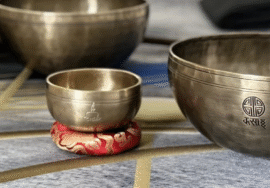
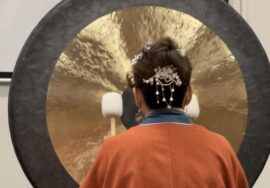
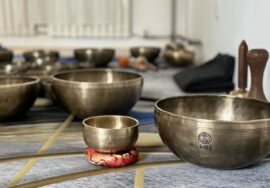
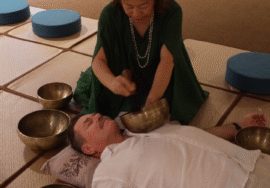
- Sound healing and vibrational therapy
can gently restore meridian flow, allowing emotions to move, release, and transform naturally.
Meridians, Sound, and Holistic Healing
Sound works deeply with the meridian system because vibration travels through water, fascia, and the nervous system. When sound frequencies are aligned with meridians, they can help regulate emotional states while supporting physical harmony.
This is why integrating meridian wisdom into sound practices—such as Seven & Twelve Resonance™—creates profound, whole-body balance for both individuals and groups.
In Summary
The 12 main meridians form an intricate bridge between the body and emotions. By understanding their emotional meanings, we gain compassion for ourselves and insight into how true healing unfolds—not by fixing, but by restoring flow.