Can Sound Healing Be Too Intense?
Sound healing is often described as relaxing, immersive, and restorative—but for some people, it can also feel intense, overwhelming, or activating. This is not a sign that something is “wrong,” but rather a reflection of how sound interacts with the nervous system, the environment, and individual sensitivity.
1. The Nervous System Responds Before the Mind
The human nervous system is constantly scanning for signals of safety or threat. Vibrations, rhythms, and harmonics are perceived long before the conscious mind interprets them. When sound is very strong, sharp, or unexpected, the nervous system may respond with alertness, tension, or even startle reactions.
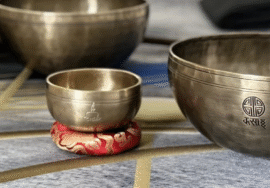
Even with gentle, high-quality instruments like Ultimate Kasa Full Moon Bowls, intensity is relative. Deep resonance can move through bones, fluids, and tissue, which may feel profound for some bodies, especially those carrying fatigue, stress, or high vigilance.
2. Personal Sensitivity Matters
Everyone’s sensitivity to sound is different. Some people thrive in immersive, layered sound environments and feel immediately grounded. Others may notice heightened awareness, lightheadedness, or emotional release. Intensity is often about how receptive the system is at that moment, not a problem with the sound itself.
It is natural for a session to feel more intense on some days than others, depending on stress, sleep, or emotional state.
3. Environmental and Acoustic Factors
Intensity is also influenced by the environment. Small rooms, reflective surfaces, or loud projections can amplify vibrations. Conversely, spacious rooms, soft surfaces, and mindful pacing create a field that feels enveloping and safe rather than overwhelming.
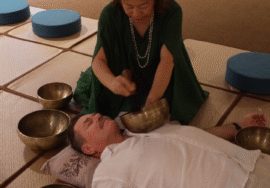
The practitioner’s awareness and presence play a key role here: how the bowls are played, how space is held, and how silence is used all shape how the body experiences sound.
4. Integration and Grounding
When sound feels intense, it is a signal to slow down, breathe, and integrate. Simple practices—like focusing on the breath, noticing bodily sensations, or gently moving—can help the nervous system process the vibrations safely. The goal is not to avoid intensity, but to provide enough support and containment for the body to navigate it comfortably.
With high-purity seven-metal Kasa Full Moon Bowls, intensity is balanced with long-decay harmonics and layered resonance, which allows even strong vibrations to feel safe and immersive rather than harsh or jarring.
5. Intensity Is Part of Depth
Intensity in sound work is not inherently negative—it often signals that the nervous system is being deeply engaged, that attention is widening, or that the body is connecting to sensations usually unnoticed. When held in a safe, mindful environment, intense experiences can become transformative rather than overwhelming.
In short, sound healing can feel intense, but this is part of the natural range of response. How it is experienced depends on the listener’s nervous system, sensitivity, environment, and the practitioner’s presence. With careful pacing, layered harmonics, and an awareness of individual needs, intensity becomes an invitation rather than a challenge.