Many people living with chronic pain are told: “Your scans look normal.”“There’s no significant damage.”“It’s just stress.” Yet the pain is real. Neck tension.Back pain.Jaw tightness.Pelvic discomfort.Widespread body aches. If
You’re exhausted. Your body feels tired.Your day has been full.You’re finally in bed. And then your mind starts racing. You replay conversations.You think about tomorrow’s decisions.You remember unfinished tasks.You analyze
Burnout is often misunderstood. Most people believe burnout simply means being tired.So the solution seems obvious: sleep more, take a vacation, rest. And yet — many high-performing women return from
True insight does not arise from theory alone. It is born when suffering penetrates abstraction and reveals the essence of life itself. My realization of Dual Resonance Harmony did not
Why Dual Resonance Harmony Is Uniquely Effective for Nervous System Regulation There are many forms of sound healing, each working through different mechanisms—frequency, rhythm, intention, or vibration. While many approaches
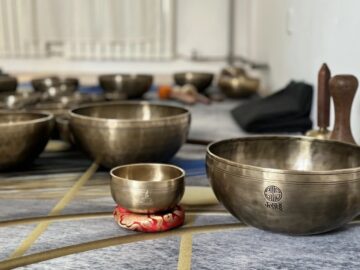
In recent years, crystal and machine-made singing bowls have become widely used in wellness spaces. While they can create pleasant and calming experiences, they are often misunderstood as tools for
Modern life moves faster than the human nervous system was designed to handle. Constant notifications, long working hours, emotional pressure, artificial lighting, noise, and ongoing uncertainty keep the body in
Client: Jon M. HulsDate of Onset: December 4, 2025 On December 4,2025, Jon M. Huls experienced sudden facial paralysis later diagnosed as Bell’s Palsy. He went to the emergency room the same day
Sound healing has grown increasingly popular across the United States, with many studios offering group sound baths, crystal bowl sessions, or Tibetan bowl meditations. But what truly sets a transformative
Many people experience sound in different ways—from music playlists and white noise to acoustic instruments and therapeutic sound sessions. While all sound affects the body, not all sound is created
XWe are committed to making our website accessible to everyone, including people with disabilities. We aim to meet WCAG 2.1 Level AA accessibility standards and continuously improve the user experience for all visitors.If you experience difficulty accessing any part of this website, please contact us and we will assist you.Email: info@metaye.artPhone: (909) 816-7206