Is Sound Healing a Spiritual Practice, a Wellness Practice, or Both?
Sound healing sits at an interesting intersection. People often ask: “Is this spiritual, a wellness practice, or something else entirely?” The answer is nuanced, because sound healing operates on multiple levels—physical, emotional, mental, and energetic—simultaneously.
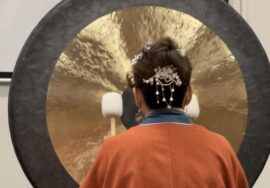
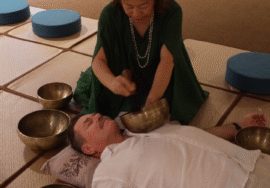
At its most fundamental, sound healing is a wellness practice. It engages the body and nervous system directly. The human system responds to vibration, rhythm, and resonance. This is not symbolic; it is physiological. When sound is introduced—whether through singing bowls, gongs, or Kasa Full Moon Bowls—the nervous system reacts. Heart rate can slow, breath can deepen, muscles release tension, and brainwave patterns can shift toward alpha or theta states. In this sense, sound healing is a tool for relaxation, stress relief, improved sleep, and emotional balance. It is something the body can access without belief or intention.
Yet, sound healing also carries spiritual or contemplative dimensions. Sound is not only felt—it can be experienced. Certain resonances, rhythms, and harmonics can evoke awe, introspection, and a sense of connection beyond the physical body. People often describe feeling “lifted,” “expanded,” or “in harmony with something larger.” These experiences can foster self-reflection, presence, and a deeper awareness of internal and external rhythms. In this sense, sound healing operates as a spiritual practice—not in the sense of dogma or belief, but as a method of engaging with consciousness, attention, and awareness.
What makes sound healing unique is that it can do both simultaneously. In a single session, a person might notice their muscles soften, their thoughts slow, and yet also experience a profound sense of connection or insight. The distinction between “wellness” and “spiritual” becomes less about categories and more about perspective.
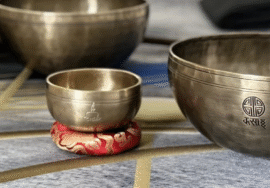
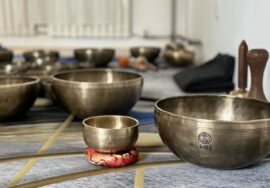
The instruments themselves influence this balance. Crystal bowls, for example, often carry a luminous, ceremonial quality that can feel expansive and ethereal. Tuning forks may direct attention precisely and encourage focus, supporting a more measured wellness approach. Kasa Full Moon Bowls, with their seven-metal high-purity alloy, offer a layered, immersive resonance that invites both bodily relaxation and depth of awareness. They do not instruct or impose; they create conditions where both wellness and spiritual dimensions can naturally emerge.
Another key factor is intention and environment. A session focused on relaxation, stress reduction, or sleep will highlight wellness benefits. A session framed as exploration, self-reflection, or presence may emphasize spiritual awareness. But even without intention, the same sound can touch both domains, because the human system is receptive on multiple levels at once.
Ultimately, sound healing resists strict categorization. It is both accessible and profound, concrete and subtle, physical and expansive. It is a practice that meets people where they are—whether seeking calm, insight, connection, or transformation.
Sound healing is wellness in action, and it is also an invitation to presence, awareness, and connection that many would call spiritual. The choice of what it becomes depends on the listener, the environment, and the way the sound is held.
It is both. And it is what you allow it to be.