The Secrets Behind the 7 Chakras and Why Balancing Them Matters
The chakra system is one of the oldest and most profound maps of human energy, consciousness, and well-being. Rooted in ancient Indian and Buddhist traditions, chakras are understood as vital energy centers through which life force flows, influencing physical health, emotional balance, mental clarity, and spiritual awareness.
When these energy centers are balanced, we feel grounded, clear, emotionally stable, and connected. When they are blocked or imbalanced, discomfort may arise—not only in the body, but also in our thoughts, emotions, and life patterns.
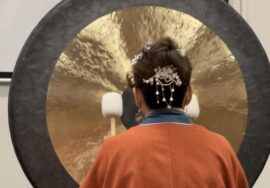
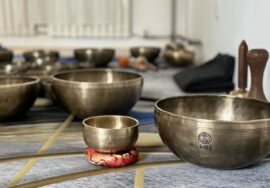
This article explores the seven chakras, their locations, elements, and qualities—and how sound therapy using Tibetan and Full Moon Singing Bowls and tingshas can help restore harmony to the body and mind.
Ancient Origins of the Chakra System
The concept of chakras appears in some of the earliest spiritual texts of Hinduism and Buddhism.
The Atharva Veda describes the body as a vessel of energy and consciousness, laying the foundation for yogic and tantric systems.
The Shat Chakra Nirupana, a 16th-century tantric text, clearly outlines the seven chakras, their locations, qualities, and methods for balancing them.
In Buddhism, texts such as the Hevajra Tantra and Kalachakra Tantra describe a subtle body system composed of energy channels (nadis) and inner energy centers. Though terminology may differ, both traditions recognize the body as an intelligent energetic network.
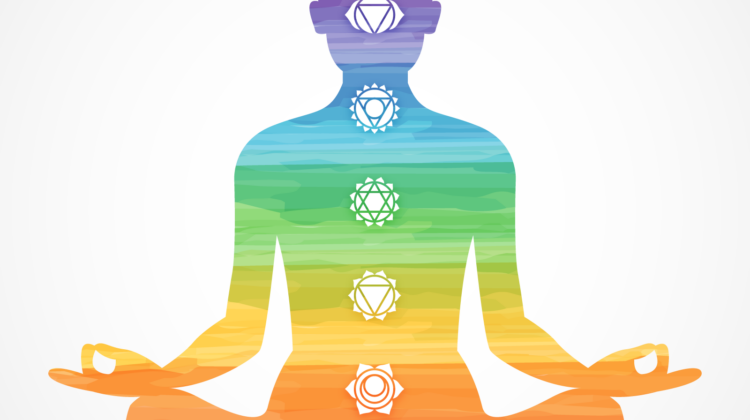
The Seven Chakras and Their Energetic Qualities
1. Root Chakra (Muladhara)
- Location: Base of the spine
- Element: Earth
- Color: Red
The Root Chakra governs stability, safety, and grounding. When balanced, it supports a sense of security and physical vitality. Imbalance may manifest as fear, insecurity, financial stress, or tension in the legs, feet, or lower back.
Sound support: Deep, grounding vibrations from singing bowls help stabilize this energy center. Tingshas may be used to clear heavy or stagnant energy and restore a sense of safety.
2. Sacral Chakra (Svadhisthana)
- Location: Lower abdomen, below the navel
- Element: Water
- Color: Orange
This chakra is associated with creativity, emotional flow, pleasure, and intimacy. Imbalance may lead to emotional instability, lack of creativity, guilt, or difficulty connecting with others.
Sound support: Gentle, fluid tones from Tibetan singing bowls support emotional release and creative flow, especially when paired with mindful breathing or meditation.
3. Solar Plexus Chakra (Manipura)
- Location: Upper abdomen, above the navel
- Element: Fire
- Color: Yellow
The Solar Plexus Chakra governs confidence, personal power, and self-worth. When imbalanced, one may experience low confidence, frustration, control issues, or digestive discomfort.
Sound support: Clear, steady bowl tones support inner strength, emotional regulation, and a sense of empowerment.
4. Heart Chakra (Anahata)
- Location: Center of the chest
- Element: Air
- Color: Green
The Heart Chakra is the bridge between the physical and spiritual realms. It governs love, compassion, forgiveness, and emotional healing. Imbalance may appear as emotional numbness, grief, or relationship challenges.
Sound support: Soft, expansive sound from singing bowls gently opens the heart space. Tingshas can help release emotional blockages and encourage balance.
5. Throat Chakra (Vishuddha)
- Location: Throat
- Element: Ether (Sound)
- Color: Blue
This chakra governs communication, truth, and self-expression. Blockages may result in difficulty speaking one’s truth, creative suppression, or tension in the throat or neck.
Sound support: Clear, resonant bowl tones and tingshas support energetic purification and authentic self-expression.
6. Third Eye Chakra (Ajna)
- Location: Between the eyebrows
- Element: Light / Mind
- Color: Indigo
The Third Eye Chakra is associated with intuition, insight, and inner wisdom. Imbalance may show up as confusion, lack of clarity, or difficulty trusting inner guidance.
Sound support: Subtle, focused sound supports mental clarity, inner vision, and intuitive awareness.
7. Crown Chakra (Sahasrara)
- Location: Top of the head
- Element: Spiritual consciousness
- Color: Violet / White
The Crown Chakra represents connection to higher consciousness and universal awareness. When balanced, it supports clarity, purpose, and a sense of unity.
Sound support: Full Moon Singing Bowls and refined high-vibration sounds help create spaciousness and stillness, supporting meditation and integration.
Why Sound Therapy Is So Effective for Chakra Balancing
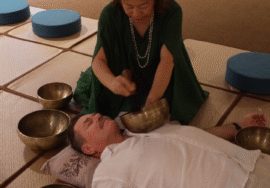
Sound therapy works directly through vibration, the most natural and non-verbal language of the body. Because the human body is largely composed of water, sound travels efficiently through tissues, fascia, and the nervous system.
Through sound:
- Energy blockages can soften and release
- The nervous system shifts into deep relaxation
- Awareness naturally turns inward
Rather than forcing change, sound invites the body into self-regulation and balance.
Living in Balance
Chakra balancing is not a one-time event—it is an ongoing, living practice.
Sound therapy, meditation, breathwork, mindful movement, and conscious lifestyle choices all support energetic harmony.
When the chakras are balanced:
- Life feels more fluid
- The body feels supported
- The mind becomes clearer
- The heart softens
In Summary
The seven chakras offer a timeless map for understanding the relationship between body, mind, and spirit. Through sound therapy with Tibetan and Full Moon Singing Bowls, these energy centers can be gently guided back into harmony—supporting physical well-being, emotional balance, and spiritual clarity.
Balancing the chakras is not about fixing something broken.
It is about remembering your natural state of alignment.