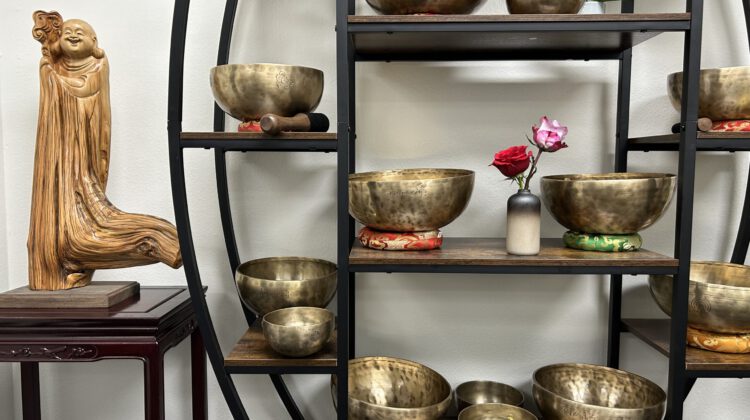
How to Identify Machine-Made, Hand-Hammered, Antique, and Kasa Full Moon Singing Bowls
Understanding the Rich Cultural Heritage and Craftsmanship Behind Nepali Singing Bowls
Introduction
Singing bowls have a deep-rooted history in Nepal, where they have been crafted and used for centuries. Originating from this region’s rich cultural and spiritual heritage, singing bowls are far more than musical instruments—they are tools for meditation, healing, ritual, and daily life.
Historically, in Nepali culture—especially among Newari communities—singing bowls were used as practical household utensils. Over time, their resonant sound and vibrational qualities became recognized for spiritual, therapeutic, and contemplative purposes. Today, singing bowls are revered globally for their ability to support relaxation, mindfulness, and whole-body well-being.
Understanding the differences between machine-made, hand-hammered, antique, and Kasa Full Moon Singing Bowls is essential for anyone seeking authenticity, sound quality, and cultural integrity.
Machine-Made Singing Bowls
What Are Machine-Made Singing Bowls?
Machine-made singing bowls are produced using industrial processes such as casting or pressing metal into molds. This method allows for mass production with consistent size, shape, and finish, making these bowls widely available and affordable.
Characteristics of Machine-Made Singing Bowls
- Highly uniform and symmetrical
- Smooth, polished surface with little texture
- Often feature cast-in designs
- Sound can be flat or short in resonance
While these bowls can produce sound suitable for casual listening or beginner use, they often lack the depth and complexity appreciated by practitioners seeking deeper acoustic or meditative experiences.
How to Identify a Machine-Made Singing Bowl
- Consistent shape and thickness
- Smooth, flawless surface
- Uniform cast designs
- Artificial “hammering” marks that look repetitive and decorative rather than organic
Machine-made bowls may serve decorative or general sound purposes, but they do not carry the sonic richness or cultural resonance found in traditional hand-crafted bowls.
Hand-Hammered Singing Bowls
What Are Hand-Hammered Singing Bowls?
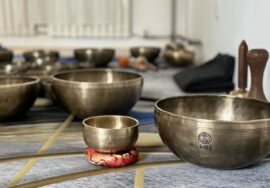
Hand-hammered singing bowls are crafted one at a time by skilled artisans, primarily in Nepal. Beginning with a flat metal disc, the bowl is shaped by thousands of careful hammer strikes. This time-intensive method produces bowls with unique shape, texture, and sonic character.
Craftsmanship in Nepal
Newari artisans in Nepal are known for their expertise in hand-hammering singing bowls. They select high-quality metal alloys—typically copper blended with tin and trace metals—and shape each bowl by hand. The result is a bowl with distinctive tactile qualities and rich acoustic depth.
Characteristics of Hand-Hammered Singing Bowls
- Subtle tactile hammer marks
- Irregular, organic shape
- Deep, layered resonance
- Long, sustained sound
- Each bowl unique in tone and character
These bowls are valued not only for their beauty but for their ability to produce complex harmonics that support meditation, sound therapy, and healing work.
How to Recognize a Hand-Hammered Singing Bowl
- Feel the surface: bumps and indentations from hammering
- Listen for depth: rich, evolving sound with longer decay
- Observe shape irregularities: no two hand-hammered bowls look the same
Kasa Full Moon Singing Bowls
What Are Kasa Full Moon Singing Bowls?
Kasa Full Moon Singing Bowls are a specific traditional type of hand-hammered bowl crafted under the full moon. They are made from multiple sacred metals (often seven) and shaped through a lineage of craftsmanship that blends artisanal skill with cultural intention.
The full moon crafting process is believed to influence the metal’s vibrational properties, enhancing the bowl’s resonance and overtones. Whether viewed through cultural lens or experiential sound work, these bowls are celebrated for their rich, complex, and deeply resonant sound.
Characteristics of Kasa Full Moon Singing Bowls
- Handmade using traditional alloy blends
- Layered, rich overtone structure
- Long sustain and evolving decay
- Responsive and adaptive to subtle playing techniques
- Often preferred in therapeutic, meditative, and restorative settings
These bowls stand apart because their resonance is alive—not fixed—making them particularly meaningful in settings that prioritize regulation, coherent vibration, and embodied resonance.
Why Kasa Bowls Are Highly Valued
Many practitioners—including those trained in sound therapy, chakra work, and meridian resonance—choose Kasa Full Moon Singing Bowls for their:
- Dynamic overtone richness
- Somatic penetration (felt in body tissues, not just heard)
- Capacity to support calming and grounding
- Cultural and artisanal lineage
While not all hand-hammered bowls are made under the full moon, Kasa bowls carry a specific tradition that echoes Nepal’s long-standing relationship with cosmological timing and sound-making.
Antique Singing Bowls
What Are Antique Singing Bowls?
Antique singing bowls are rare, older bowls—often more than a century old—crafted by traditional artisans using methods that are now less common. These bowls carry historical value, cultural memory, and sonic characteristics that reflect craftsmanship passed down through generations.
Identifying Authentic Antique Singing Bowls
Authentic antique bowls often display:
- Patina from long-term use
- Wear patterns that reflect age
- Unique acoustic character developed over decades
- Folded rims (in large antique jam bati bowls), a now-rare hammering technique
Antique bowls are highly prized by collectors, practitioners, and historians due to their rarity, sound complexity, and cultural significance.
How to Choose the Right Singing Bowl: A Nepali Perspective
Here are key factors to consider based on tradition, purpose, and experience:
1. Purpose
- Meditation or healing: prioritize sound quality and resonance
- Decorative or ceremonial display: aesthetic appeal may lead
- Beginners: a well-made hand-hammered bowl is a rewarding start
2. Sound Quality
Sound matters more than appearance. Look for clear, sustained tones that resonate both audibly and within the body.
3. Size and Weight
- Larger bowls: deeper, fuller tones
- Smaller bowls: higher pitch and greater portability
Choose based on how you intend to use the bowl.
4. Craftsmanship
Hand-hammered and Kasa bowls offer superior sound and individuality. Machine-made bowls are uniform but generally lack acoustic depth.
5. Cultural and Spiritual Resonance
If cultural authenticity and acoustic richness matter to you, hand-hammered or Kasa bowls crafted in Nepalese tradition provide depth that mass-produced versions do not.
6. Budget
Machine-made bowls are affordable and accessible.
Hand-hammered and Kasa bowls require higher investment due to craftsmanship and sound quality. Antique bowls, being rare, command the highest value.
Why Nepal Is the Best Place to Source Authentic Singing Bowls
Nepal’s reputation as the source of authentic singing bowls comes from its:
- Living artisan traditions
- Cultural depth
- Generational craftsmanship
- Historical lineage of sound-making
Whether for healing, meditation, or cultural connection, bowls crafted in Nepal carry integrity that global buyers seek—a link to centuries of practice and lived sound heritage.
Conclusion
Singing bowls come in many forms, each with unique characteristics:
- Machine-made bowls are accessible and functional but lack individuality and acoustic depth.
- Hand-hammered bowls offer richness, character, and sound complexity.
- Kasa Full Moon Singing Bowls provide layered resonant qualities informed by tradition and cosmic timing.
- Antique bowls carry historical depth and rare craftsmanship.
All have value depending on intention—but for those seeking authentic sound, cultural resonance, and acoustic richness, Nepali hand-hammered and specifically Kasa Full Moon Singing Bowls offer unmatched depth and heritage.
In the world of singing bowls, you don’t just choose an instrument.
You choose a lineage of sound.