An exploration of the Meridian System, sound, and the origins of Meta Ye's integrated approach to restoration.
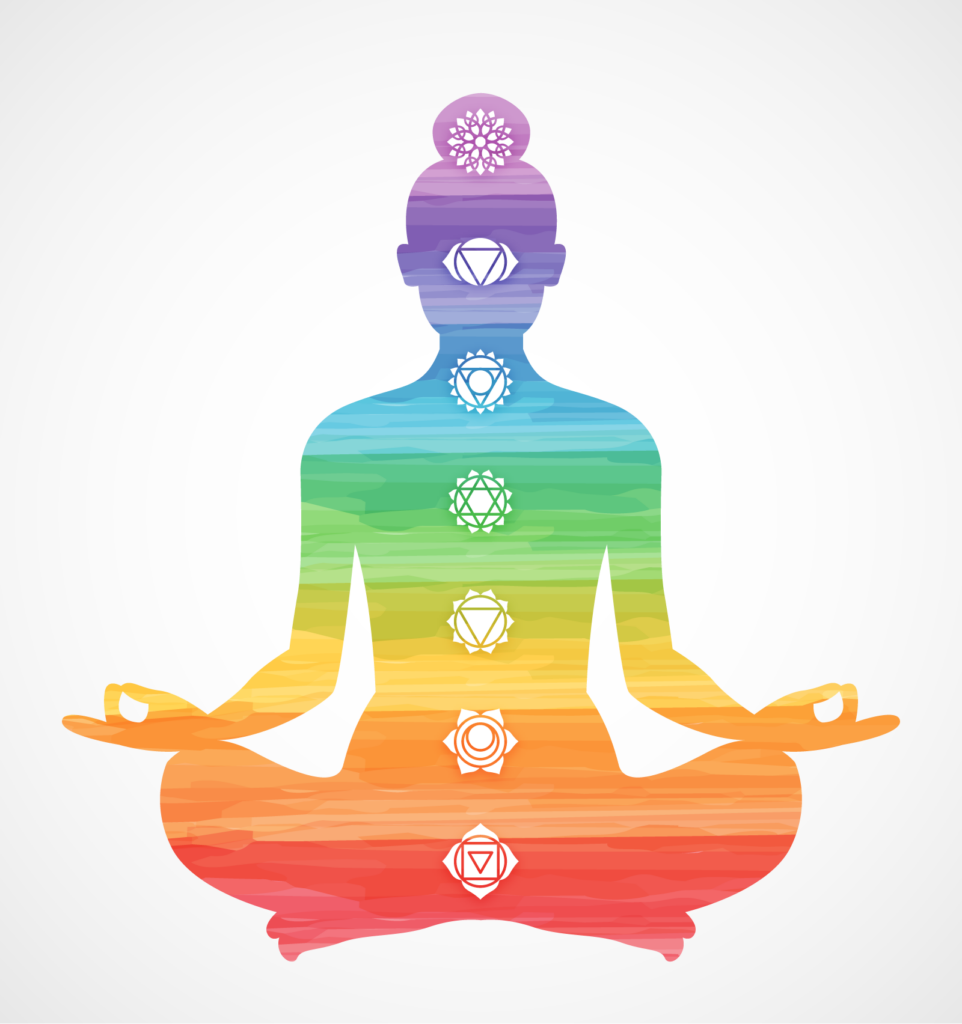
When people first discover Meta Ye, they often understand why sound is connected to the Chakra System.
What surprises them is the presence of the Meridian System.
Many people ask:
“What do Chinese meridians have to do with sound?”
For me, the answer is both personal and practical.
The Meridian System is one of the primary reasons the Dual System Harmony Method™ exists.
The Meridian System was part of Sissy's worldview long before sound became part of her work.
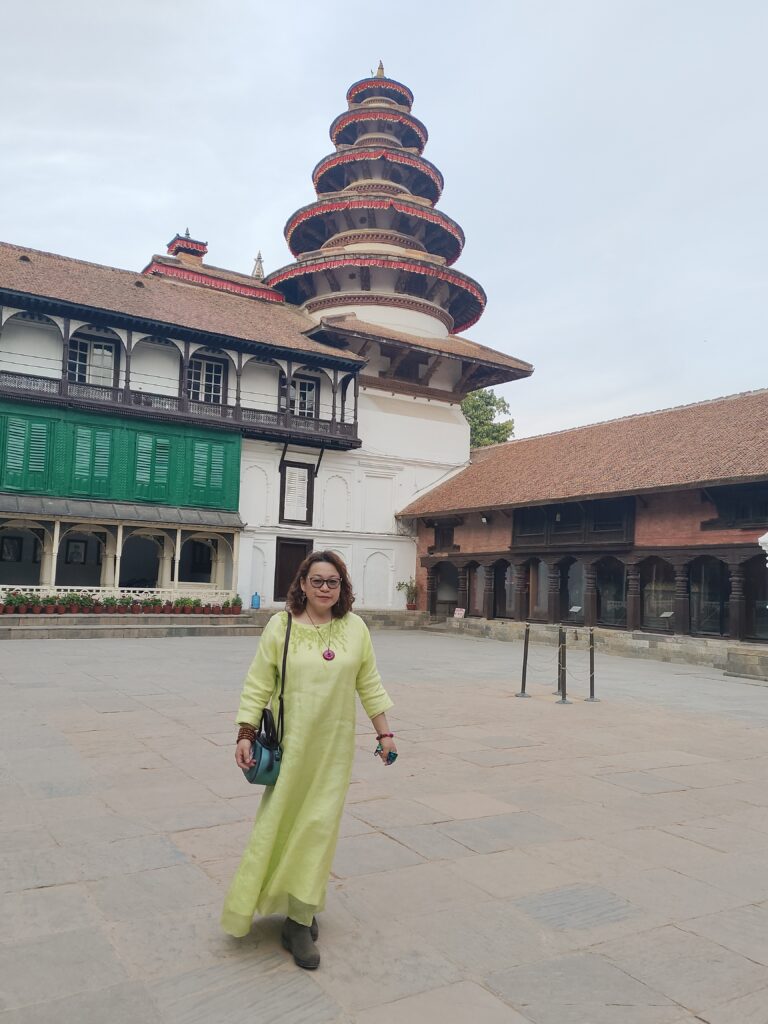
I was born and raised in Southern China, where Traditional Chinese Medicine has been part of daily life for generations.
Long before I encountered singing bowls, meditation, or modern wellness practices, I was introduced to a worldview that saw the human being as an interconnected system rather than a collection of separate parts.
Within this perspective, health was not simply the absence of symptoms.
It was the presence of harmony.
Harmony between Yin and Yang.
Harmony between body and mind.
Harmony between the individual and the rhythms of nature.
As I later studied sound, meditation, nervous system regulation, and human well-being, I found myself continually returning to this way of thinking.
The more I learned, the more I became fascinated by one question:
What role might the Meridian System play within a sound-based approach to restoration?
An Integrated View of the Human System
Traditional Chinese Medicine describes a network of pathways known as meridians.
For thousands of years, these pathways have provided a framework for understanding movement, communication, balance, and functional relationships throughout the body.
While Traditional Chinese Medicine and modern science use different language, both recognize an important reality:
The human body functions as an integrated system.
Nothing exists in isolation.
A change in one area often influences many others.
Emotions influence physiology.
Physiology influences perception.
Perception influences behavior.
And all of these dimensions continuously affect one another.
This systems-oriented perspective deeply influenced my work.
After spending decades navigating physical challenges, emotional suffering, and a continual search for restoration, I learned that meaningful change rarely occurs by focusing on only one aspect of ourselves.
The whole person must be considered.
Ancient observations about sound, emotion, rhythm, and human well-being became an important source of inspiration.
Ancient physicians observed relationships between:
• Sound
• Emotion
• Rhythm
• Physiological function
• Human well-being
Among these teachings is the classical principle of the Five Tones and Five Organs, which explored relationships between tonal qualities and different functional systems within the body.
While ancient traditions used language different from modern science, the underlying observation remains remarkably relevant:
Human beings respond to vibration.
Sound influences experience.
Rhythm influences regulation.
And resonance can affect the relationship between body, emotion, and mind.
These observations became an important source of inspiration in my own exploration.
The systems-oriented perspective of Traditional Chinese Medicine continues to influence how Meta Ye thinks about restoration.
Modern life places unprecedented demands on the nervous system.
Many people live with:
• Chronic stress
• Emotional overload
• Mental fatigue
• Difficulty resting
• Disconnection from the body
• A constant sense of pressure and stimulation
In my experience, addressing only one aspect of the human experience often leaves something important untouched.
The Meridian System offered a broader perspective.
Rather than viewing well-being through a single lens, it encouraged me to think in terms of relationships, patterns, and systemic harmony.
This perspective continues to influence how I approach restoration today.
The question was not which system was right, but whether both could contribute to a broader perspective.
The Chakra System has tremendous value.
It provides a meaningful framework for understanding consciousness, emotional development, and inner awareness.
Yet my own journey repeatedly brought me back to another question:
If the Chakra System describes one dimension of human experience, what about the Meridian System?
What if these two traditions were not competing explanations?
What if they were complementary perspectives?
One offering a map of consciousness.
The other offering a map of regulation and functional relationships.
One providing vertical alignment.
The other offering horizontal integration.
This question eventually led to the creation of the Dual System Harmony Method™.
A question that remained with Sissy for years and eventually became the foundation of Meta Ye's methodology.
As I continued studying sound, nervous system regulation, Eastern philosophies, and the Full Moon Singing Bowl tradition, one question continued to return:
What happens when the Chakra System and the Meridian System are intentionally engaged together through immersive sound?
That question stayed with me for years.
Eventually it became the foundation of the Dual System Harmony Method™ and the emergence of Dual-System Restoration™.
The Meridian System became one of the foundational inspirations behind the 7-12 Resonance System™.
Within Meta Ye’s work, the Meridian System serves as one of the foundational inspirations behind The 7-12 Resonance System™.
The framework combines:
Inspired by the Chakra System
and
Inspired by the Meridian System
Together, these systems form the structural foundation of Meta Ye’s signature experience:
The goal is not to recreate ancient medicine.
The goal is not to impose theory.
The goal is to create an environment where resonance, awareness, and restoration can emerge naturally.
The Meridian System continues to inspire a way of thinking about human experience as interconnected.
The Meridian System continues to inspire me because it reminds us of something modern life often forgets:
Everything is connected.
The body affects the mind.
The mind affects the emotions.
The emotions affect the nervous system.
The nervous system affects how we experience the world.
When one aspect changes, the entire system responds.
This systems-oriented perspective became one of the cornerstones of Meta Ye.
It shaped how I think.
It shaped how I listen.
And ultimately, it helped shape the creation of Dual-System Restoration™.
Restoration is rarely about fixing a single problem. It is about restoring relationship.
The Meridian System continues to inspire me because it reminds us of something modern life often forgets:
Everything is connected.
The body affects the mind.
The mind affects the emotions.
The emotions affect the nervous system.
The nervous system affects how we experience the world.
When one aspect changes, the entire system responds.
This systems-oriented perspective became one of the cornerstones of Meta Ye.
It shaped how I think.
It shaped how I listen.
And ultimately, it helped shape the creation of Dual-System Restoration™.
XWe are committed to making our website accessible to everyone, including people with disabilities. We aim to meet WCAG 2.1 Level AA accessibility standards and continuously improve the user experience for all visitors.If you experience difficulty accessing any part of this website, please contact us and we will assist you.Email: info@metaye.artPhone: (909) 816-7206